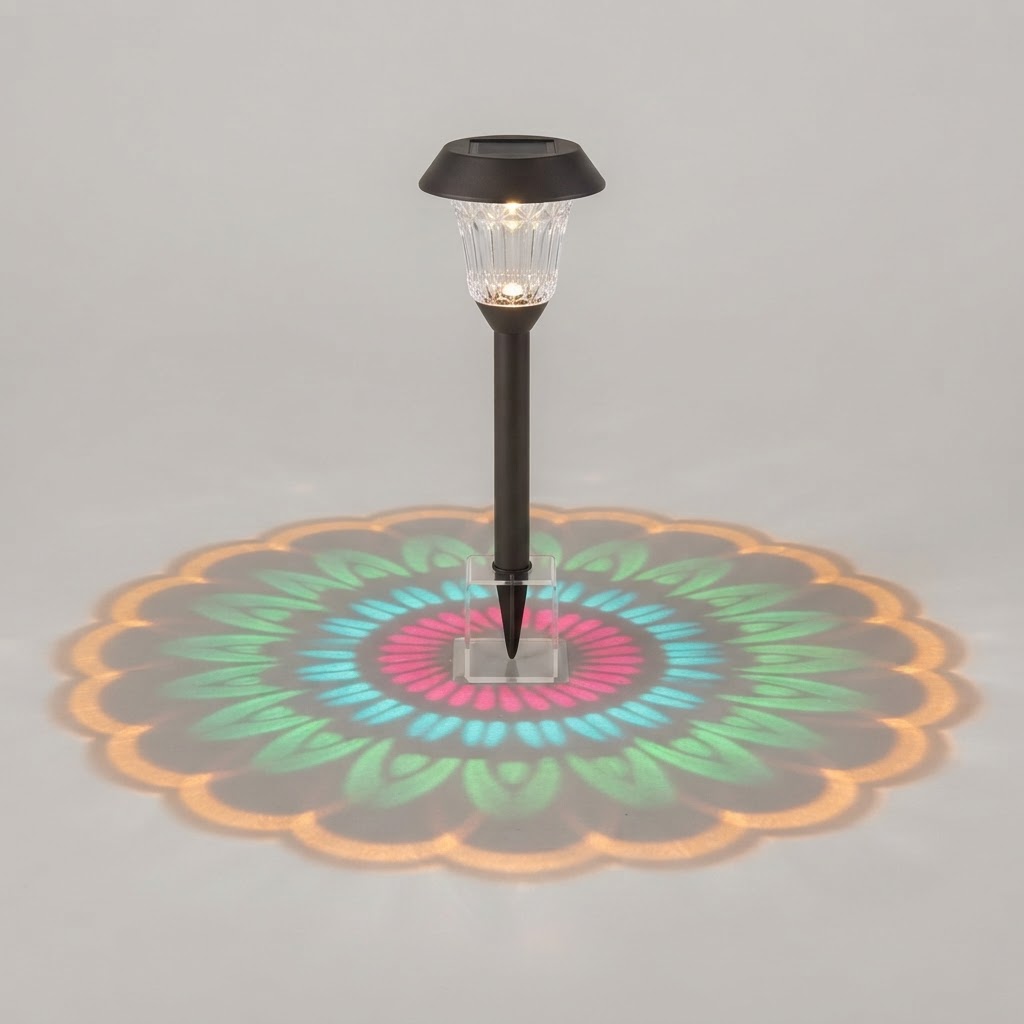
Choosing the Best Color Temperature for Walkway Lighting
Selecting the right color temperature for outdoor lighting alters how your home, lawn, and architectural features look after sunset. Color temperature, measured in Kelvin (K), dictates whether emitted light appears cool and blue-tinted or warm and yellow-tinted.
To see how color temperature fits into complete layout installation, explore the main guide.
What Is Color Temperature in Landscape Lighting?
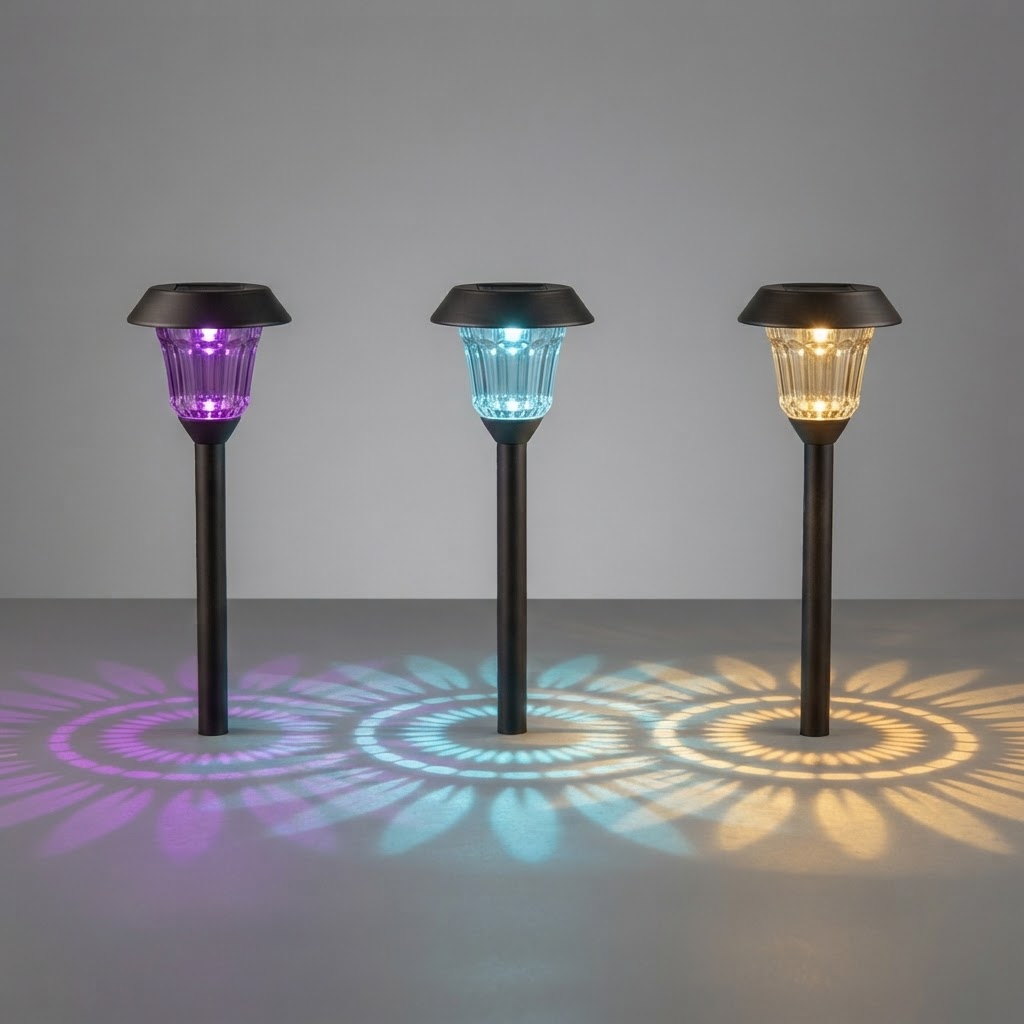
Color temperature describes the visual warmth or coolness of light output. Lower Kelvin values (2700K–3000K) produce cozy, warm tones similar to traditional halogen lighting. Higher Kelvin values (4000K–5000K) yield cool, daylight-like blue hues often found in commercial security lighting.
Cool White vs Warm White for Outdoor Paths
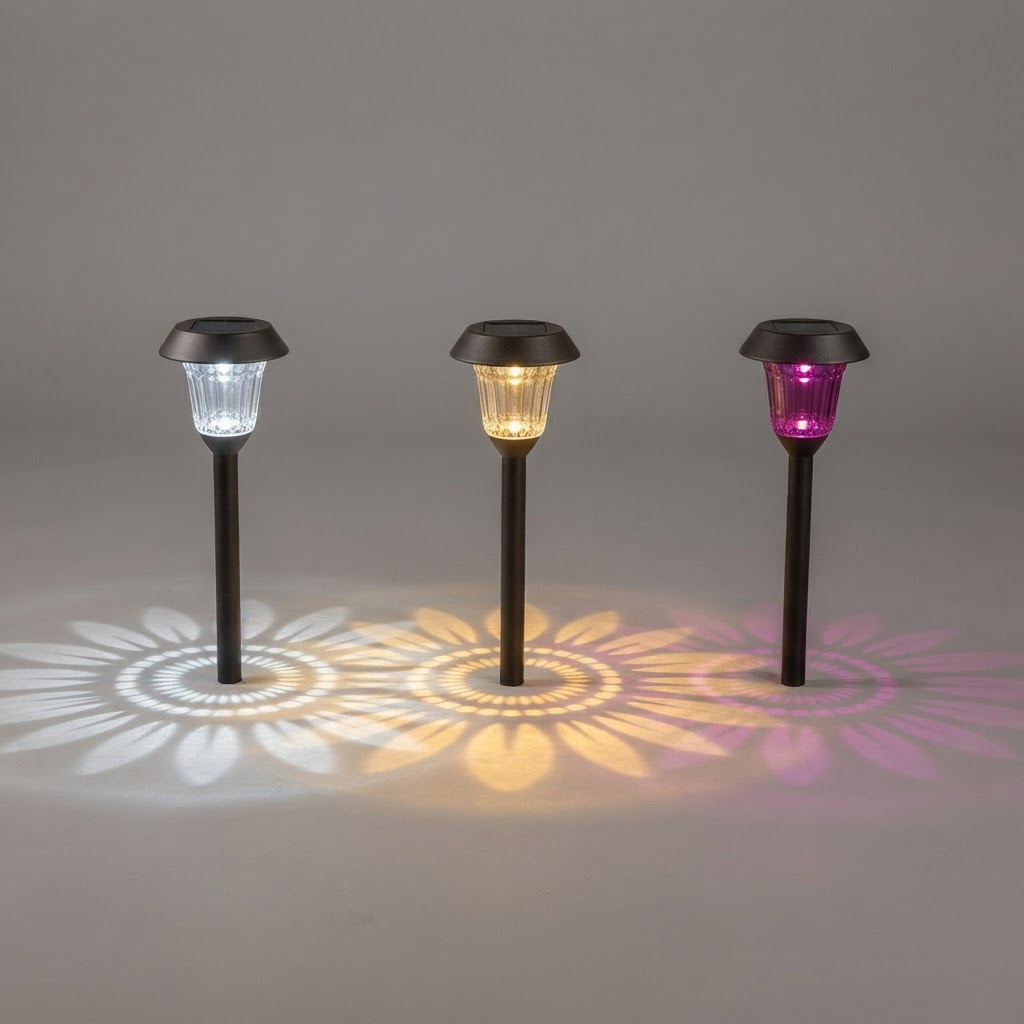
While cool white light feels bright and functional, it often creates an clinical, artificial environment along outdoor residential paths. Cool light can make stone pavers look washed out and give plant foliage an unnaturally pale appearance.
Conversely, warm white light highlights natural earth tones in soil, stone, brick, and wood. It softens shadows, making outdoor living areas feel comfortable and relaxed.
Why 3000K Warm White Is Ideal for Walkways
A setting of 3000K Warm White hits the perfect middle ground for pathway illumination. It provides bright visual clarity for safe navigation while emitting a rich, welcoming architectural glow. When combined with a focused 50 lumens output, 3000K lighting prevents glare while enhancing nighttime curb appeal.
Complementing Your Landscape Materials
Fixtures engineered with 3000K illumination work seamlessly alongside physical landscape materials. When paired with durable Aluminum & Glass housing, warm-toned 12V Low Voltage fixtures deliver timeless elegance that elevates natural stone, brick, and lush green lawns season after season.
Read the full guide: How to Landscape Light a Walkway: The Complete Design & Installation Guide