The Complete Guide to Outdoor Garden Walkway Lighting
The Complete Guide to Outdoor Garden Walkway Lighting
Illuminating your landscape pathways turns dark residential grounds into welcoming, safe, and atmospheric outdoor spaces. When learning how to light outdoor garden walkways, homeowners must balance visual beauty, functional safety, and ambient balance. Lighting an outdoor path is not simply about mounting bright bulbs along a paved sidewalk; it requires an artistic touch that highlights landscape features while keeping footpaths clear of hazardous shadows.
At Bloom Path Lights, we craft each lamp with heart — to accompany you as you see yourself, and shine. We don't just sell lamps; we walk with you on the path to your light. In this comprehensive pillar guide, we explore the essential principles of designing, laying out, and selecting path fixtures for your home garden.
Why Walkway Lighting Matters for Home Safety and Aesthetics
Properly planned landscape illumination serves a dual purpose: elevating curb appeal and eliminating trip hazards. Unlit garden paths hide elevation changes, tree roots, stray rocks, and garden borders. By introducing targeted illumination, you define boundaries and provide clear direction for family and guests.
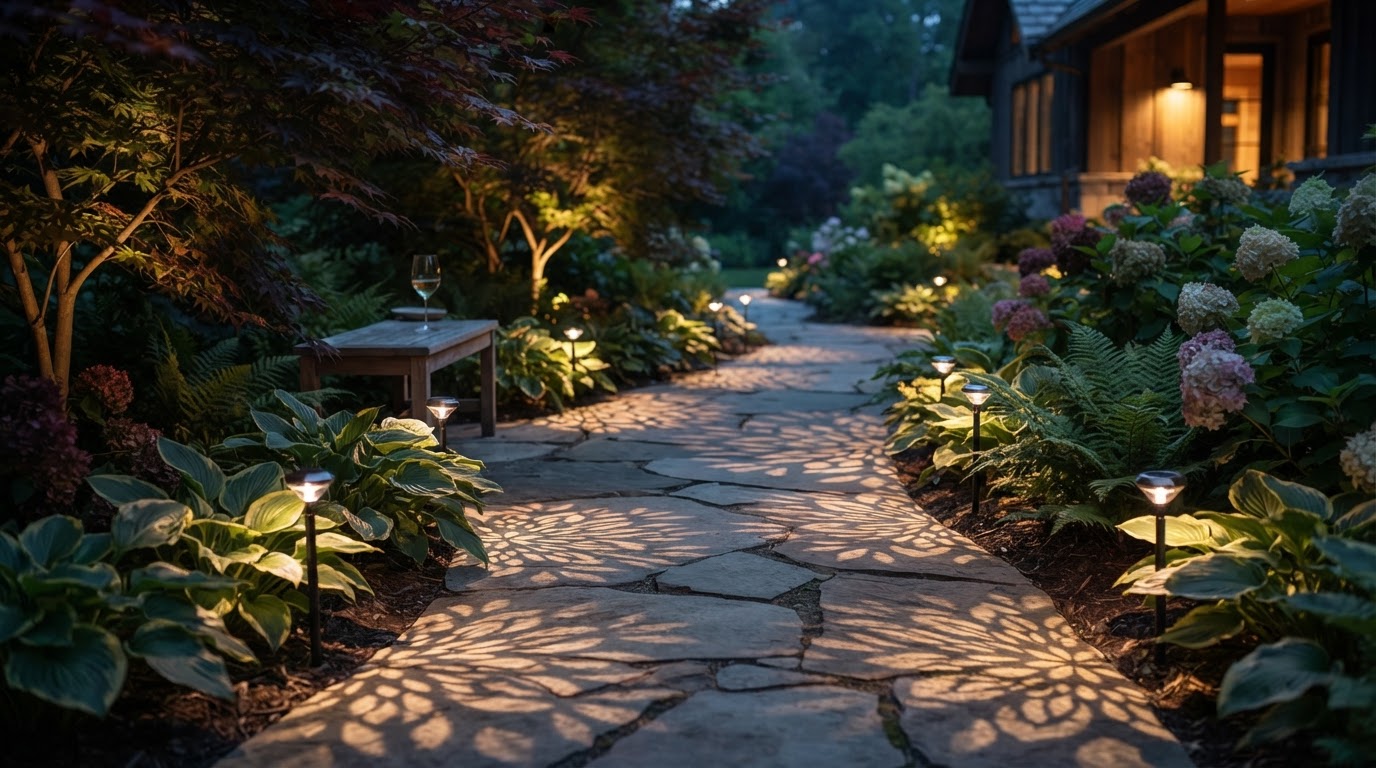
Beyond basic security, path illumination creates spatial depth across your yard. Warm light bouncing off flagstone, gravel, or manicured lawn edges establishes a cohesive transition between your home's architecture and the natural surrounding environment. Choosing fixtures with an We craft each lamp with heart — to accompany you as you see yourself, and shine.
We don't just sell lamps; we walk with you on the path to your light weatherproofing certification ensures your layout remains functional through heavy rain, snow, and irrigation exposure.
Planning Your Walkway Lighting Layout and Spacing

One of the most common mistakes in garden lighting design is the 'runway effect'—placing fixtures in direct, opposing pairs down a straight path. This creates a harsh visual channel that overwhelms the landscape rather than showcasing it.
To achieve a balanced, professional appearance, utilize a staggered layout. Place fixtures on alternating sides of the walkway, maintaining a recommended spacing of 6-8 feet between individual lights. This arrangement allows light pools to gently overlap without creating glare or intense bright spots.
Consider the primary walking speeds and focal points along the route:
- Entry Focal Points: Place lights near steps, turns, and threshold gateways.
- Transitional Zones: Space fixtures wider along continuous, flat garden paths.
- Plant Bed Borders: Angle light down toward low-lying foliage to accent surrounding plant life while keeping light downward-facing.
Choosing the Right Path Lighting Fixtures
Selecting appropriate pathway fixtures depends on your desired design aesthetic, garden architecture, and durability expectations. High-quality fixtures manufactured from durable materials like Aluminum withstand elemental wear while maintaining structural integrity over time.
When evaluating fixtures such as Bloom Path Lights, pay attention to light quality and directional control:
- Brightness: Aim for a soft output around 100-200 lumens per fixture to prevent night-blindness and maintain a tranquil garden ambiance.
- Color Temperature: A warm color output of 3000K Warm White produces an inviting golden glow that complements flowers, soil, and wooden borders.
- Shielding: Choose fixtures with downward-reflecting shades or downward-angled louvers to direct light toward the walking surface rather than into pedestrian eyes.
Understanding Voltage and Power Options
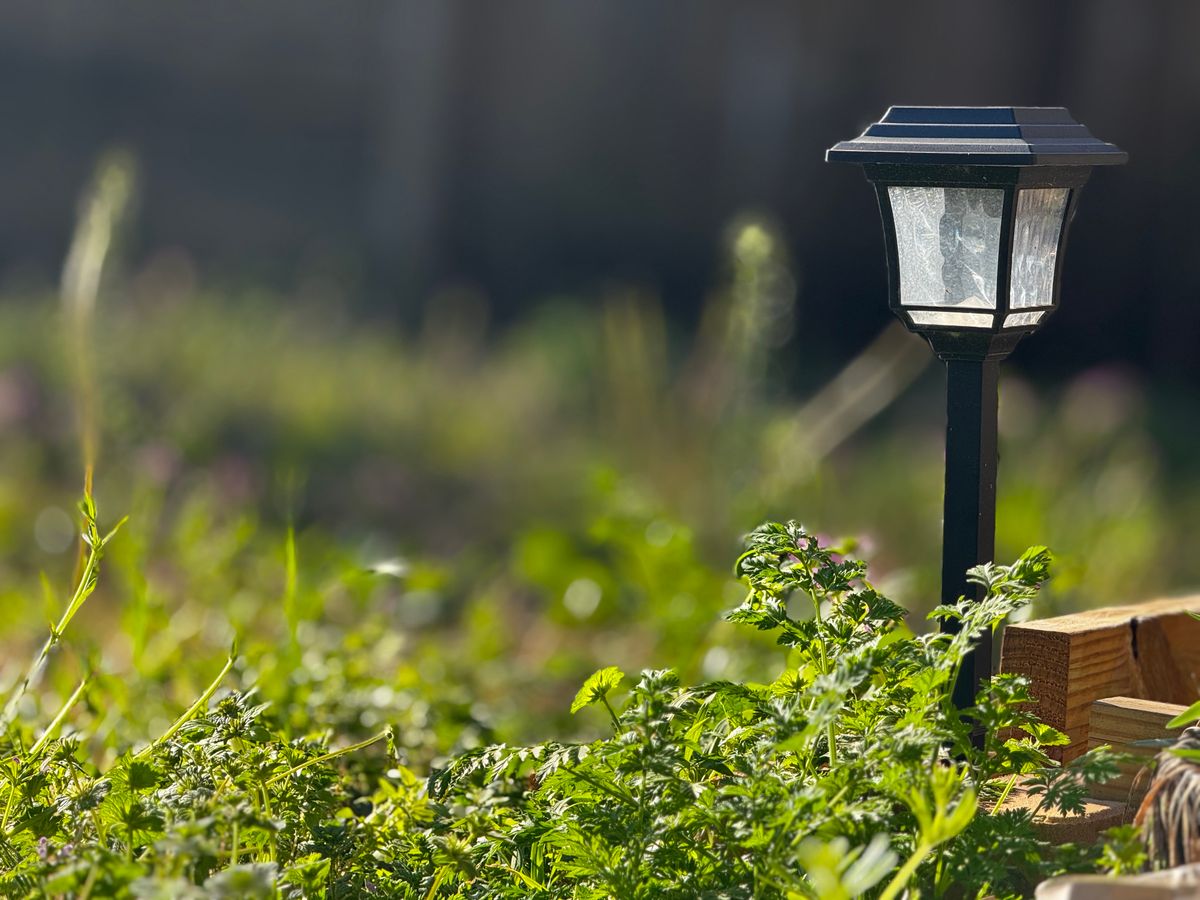
Outdoor pathway systems typically operate on either line voltage (120V) or low-voltage (12V Low Voltage) power configurations. Low-voltage systems powered via a central transformer are widely preferred for residential gardens due to safe installation depth requirements and energy efficiency.
While solar options exist, wired low-voltage setups ensure reliable illumination regardless of daily sunlight exposure or cloudy weather conditions. When investing in premium outdoor fixtures, verify coverage details such as a warranty years not specified manufacturer warranty to safeguard your long-term lighting investment.
Maintenance and Long-Term Care for Outdoor Lights
To keep your path lights glowing brightly season after season, establish a minimal maintenance routine:
By following these foundational principles, you create a garden pathway that is safe, captivating, and built to endure.
Related in this cluster
- 5 Creative Design Ideas for Garden Path Lighting
- Understanding Low Voltage vs Line Voltage Pathway Lighting
- How to Install Garden Path Lights in 5 Simple Steps
- Solar vs Wired Low Voltage Path Lights: Comparison Guide
- Eliminating Walkway Hazards: Premium Path Lights for Home Safety
- Garden Walkway Lighting FAQ: Placement, Brightness, and Care