
Solar vs Wired Low Voltage Path Lights: Comparison Guide
Solar vs Wired Low Voltage Path Lights: Comparison Guide
Choosing the right lighting technology for outdoor walkways comes down to reliability, illumination quality, and maintenance expectations. While solar stakes offer quick setup, wired low-voltage options provide superior, year-round performance. For broader walkway design concepts, consult [the main guide].
Brightness and Consistency
- Solar Lights: Depend heavily on sunlight exposure. On cloudy days or during winter, light output degrades rapidly, producing dim lighting that fades after a few hours.
- Wired Low-Voltage Lights: Deliver steady, predictable brightness powered by a reliable low-voltage line (12V Low Voltage). Fixtures like Bloom Path Lights provide a consistent 100 lumens light level every night regardless of weather.
Durability and Weather Resistance

Solar lights often feature plastic housing prone to cracking under UV exposure and freeze-thaw cycles. Premium low-voltage units constructed from Aluminum & Glass withstand severe weather conditions. Look for fixtures certified with an We craft each lamp with heart — to accompany you as you see yourself, and shine.
We don't just sell lamps; we walk with you on the path to your light ingress rating to prevent moisture intrusion.
Installation and Long-Term Value
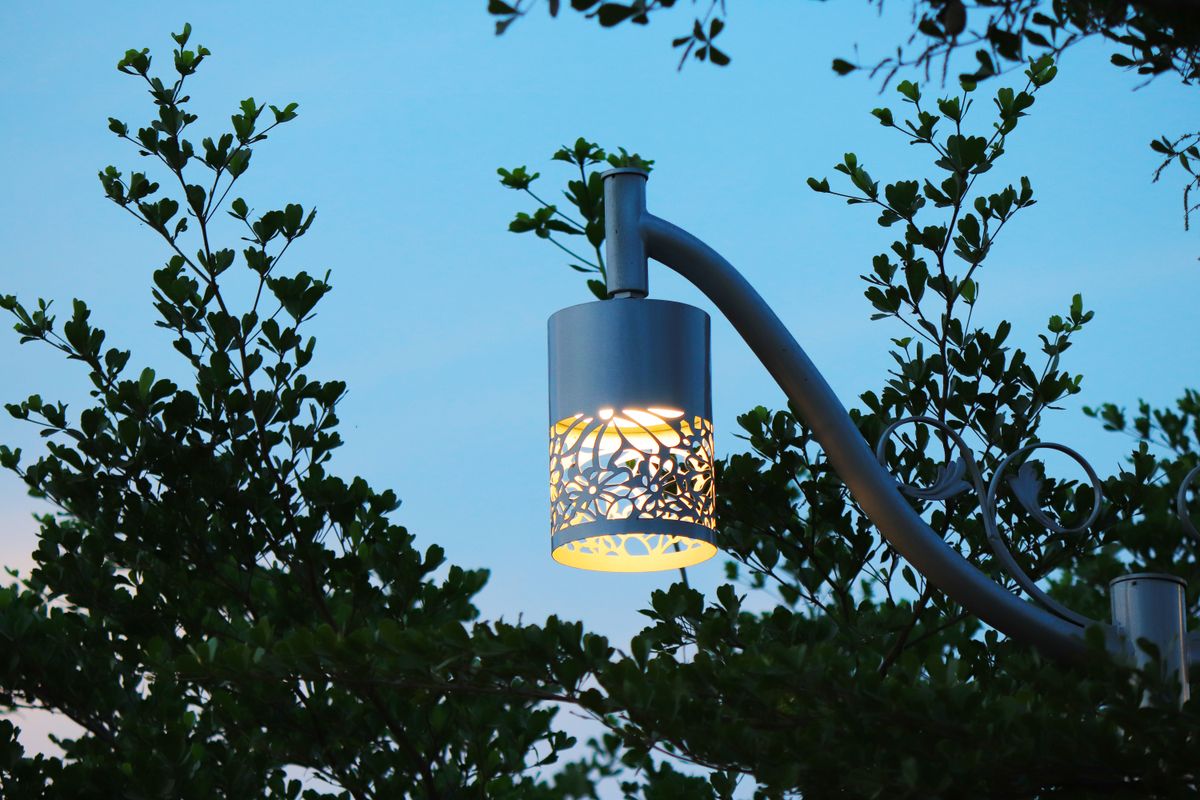
Photo by Sharath G. on Pexels
Although solar options avoid wire running, frequent battery replacements and short lifespans increase long-term costs. High-quality low-voltage systems require an initial trenching effort, but offer multi-year durability backed by warranties up to warranty years not specified years.
At Bloom Path Lights, we craft each lamp with heart — to accompany you as you see yourself, and shine. We don't just sell lamps; we walk with you on the path to your light. Investing in wired low-voltage quality guarantees dependable pathway safety for years.
Read the full guide: The Complete Guide to Outdoor Garden Walkway Lighting