
Installing Bloom Path Lights for Sustainable Curb Appeal
 Jordan HaleStaff Writer
August 4, 2026 — The shift toward decentralized home energy has reached the front yard as homeowners increasingly adopt Bloom Path Lights to secure their walkways without the friction of professional electrical work.
I spent yesterday afternoon in the garden, the smell of damp mulch rising as I pressed the first stake into the earth. The transition to solar-integrated landscaping is no longer just about utility; it is about creating a seamless bridge between modern architecture and the natural environment. As noted by Sunco, these fixtures utilize a dusk-to-dawn photocell to provide electricity-free illumination for sidewalks and patios, effectively removing the need for complex wiring.
The 5-Step Placement Protocol
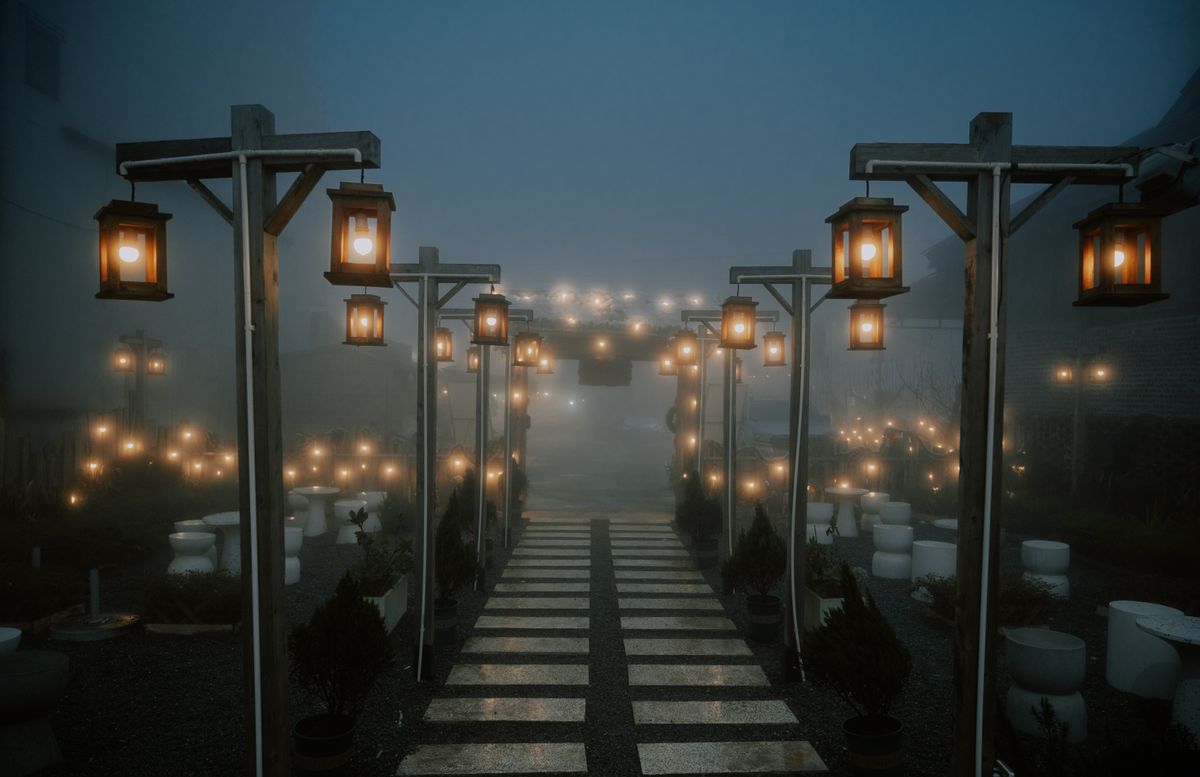
Photo by Nguyen Ngoc Tien on Pexels
The first thing I noticed was the tactile weight of the Bloom Path Lights housing, a departure from the flimsy plastic alternatives often found in big-box stores. To begin, I mapped the walkway, ensuring each light was positioned approximately six feet apart to avoid the "runway look" while maintaining safety. The installation relies on a high-efficiency monocrystalline solar panel integrated into the cap, which requires at least six hours of direct sunlight to reach full capacity. It turns out that the internal dusk-to-dawn sensor is remarkably sensitive; even the slight shadow from a nearby oak limb can trigger an early activation, so clear sky access is paramount. The hardware is designed with an IP65 weather resistance rating, meaning the internal LED components and rechargeable battery remain shielded against heavy rain and dust ingress. During the first night of operation, the warm 3000K glow provided a soft wash rather than a harsh glare, covering a three-foot radius around the base of the stake. This subtlety is essential when coordinating with aesthetic solar path lighting to ensure the light enhances the foliage rather than washing it out. By following a modern walkway lights solar strategy, I was able to stagger the units to highlight specific textures in the stone path. The process is a stark contrast to high-voltage systems that require a luxury outdoor landscape lighting transformer and buried conduits. Instead, these units operate independently, creating a resilient network that stays lit even if one unit is obstructed.
Expert tip: If you live in a region with high clay content in the soil, never force the stake directly into the ground. I keep coming back to the practice of pre-digging a small pilot hole and filling it with loose potting soil to ensure the Bloom Path Lights stake remains vertical and stable without risking damage to the internal battery housing during the initial press.
Achieving a professional result requires a balance of technical placement and an understanding of what defines luxury outdoor lighting in a residential setting. These fixtures offer a rare intersection of environmental responsibility and high-end design.