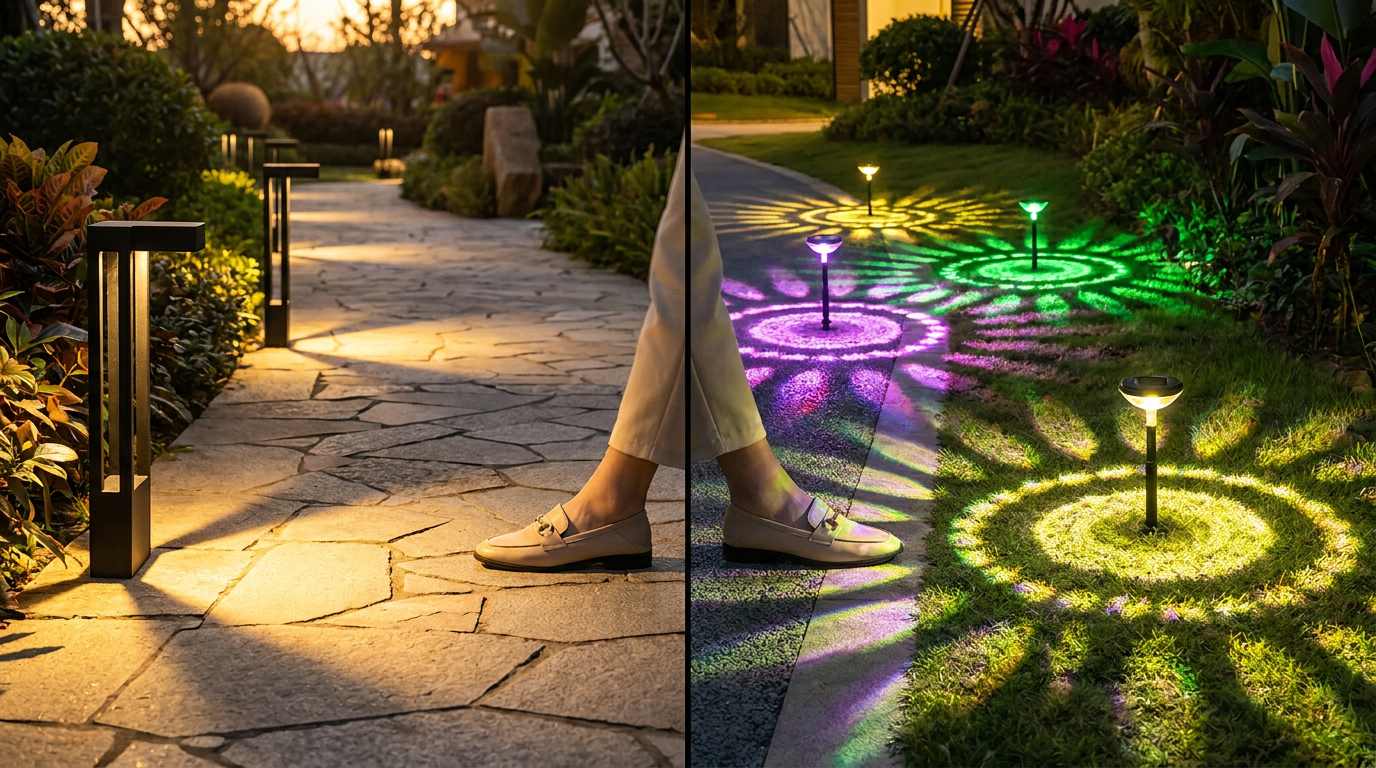
Modern Garden Path Lights with Bloom Path Lights
 Priya RamanSenior Analyst
July 23, 2026. This analysis evaluates the integration of contemporary lighting technology with residential landscape design. It is intended for homeowners seeking to balance aesthetic sophistication with long-term hardware reliability.
To understand the current state of outdoor illumination, think of it as a matrix of visibility and architectural integration. Most residential lighting projects fail not because of insufficient brightness, but because of a failure to align the fixture's output with the natural textures of the garden. Two axes matter here: the durability of the enclosure against environmental stressors and the quality of the light spread across low-growing foliage. When these factors are harmonized, the lighting becomes an extension of the architecture rather than a disruptive addition. According to Kichler, path lights are essential tools used to illuminate walkways and highlight low-growing foliage in landscaping beds, providing both safety and visual depth.
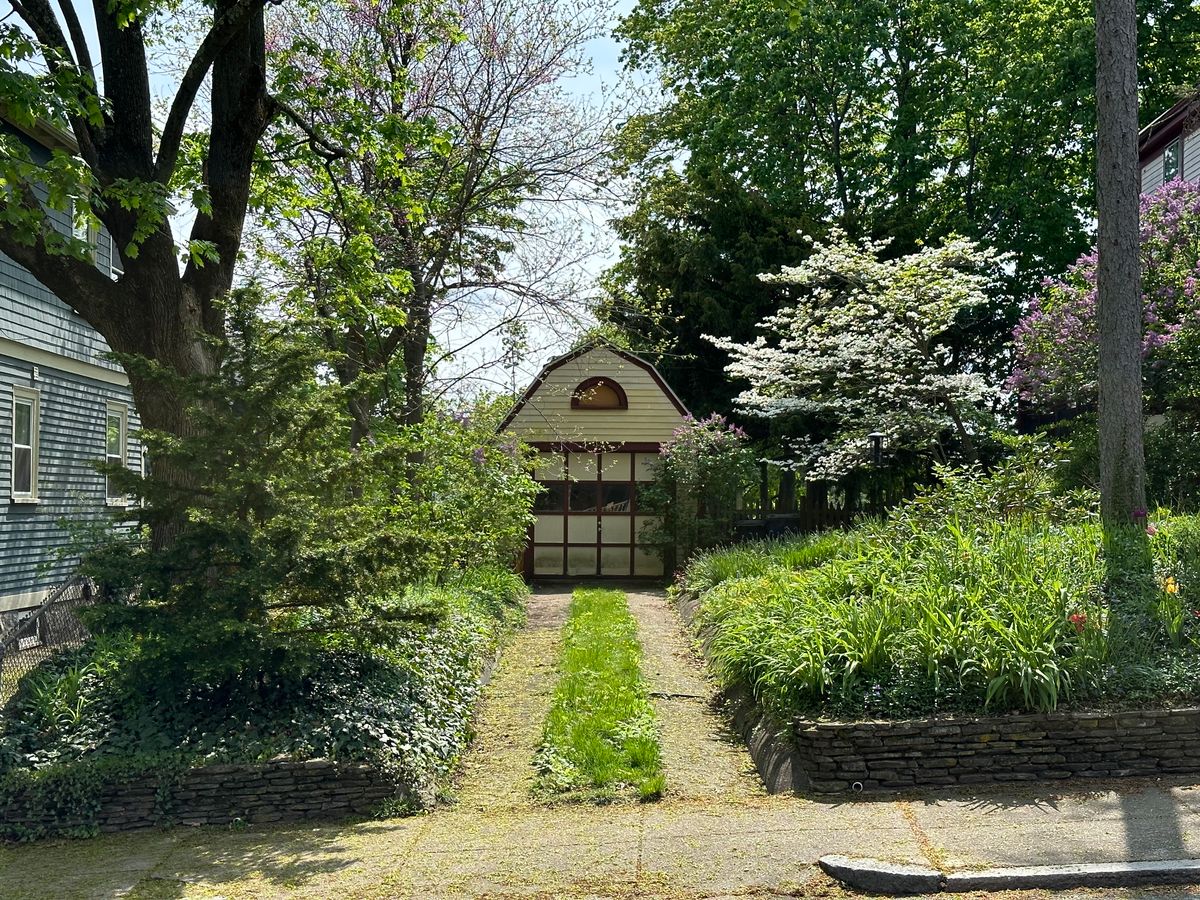
Photo by Alireza AM on Pexels
Modern path lights must be engineered for long-term exposure to the elements, a requirement that Modern Path Lights notes often involves wet-rated or IP-rated specifications for moisture resistance. This technical baseline is critical for maintaining performance through seasonal transitions. Many traditional fixtures rely on high-voltage systems that require professional trenching, yet the industry is shifting toward more autonomous, efficient solutions. By prioritizing LED-efficient modern path lights, designers can create sharp contrasts and eye-grabbing aesthetics, as suggested by Lighting Warehouse, allowing visitors to navigate the most inviting outdoor spaces with confidence. Once you see it this way, the choice of a path light becomes a strategic decision about how to define the boundaries of a nocturnal living space.
Bloom Path Lights addresses these environmental and aesthetic challenges by utilizing a solar-powered framework that eliminates the need for complex wiring. This design choice directly supports easy install outdoor landscape lighting, making professional-grade illumination accessible to the average consumer without the overhead of electrical contractors. The fixtures are crafted to provide glare-free illumination, a standard often found in premium contemporary lighting. When evaluating how do Bloom Path Lights solar garden stakes perform?, the data points toward a high level of consistency in light duration and intensity, which is vital for maintaining the safety of a walkway throughout the night.
The integration of bloom solar garden stakes into a modern landscape allows for a more fluid design process. Unlike hardwired systems that fix the layout in stone, these stakes can be repositioned as the garden matures or as seasonal foliage changes. This flexibility is a core component of elevating night landscapes with Bloom Path Lights, where the light itself becomes a sculptural element. By utilizing led garden stake flower lights, homeowners can introduce organic shapes into their lighting plan that mimic the natural environment. This approach bridges the gap between functional safety lighting and decorative garden art, ensuring that the hardware complements the flora during daylight hours before transforming the space at dusk.
The decision rule for selecting modern garden path lights hinges on three primary factors: autonomy, light quality, and material resilience. A fixture should operate independently of manual switching, provide a downward-focused beam to avoid light pollution, and resist corrosion from soil moisture. As Lumiere notes, premium fixtures should deliver beautiful, glare-free illumination that enhances pathways, gardens, and driveways alike. When these criteria are met, the lighting system provides a seamless transition from the interior of the home to the exterior landscape.
To ensure a successful installation, consider the following framework for fixture selection:
- Verify the IP rating or moisture resistance to ensure the fixture can withstand heavy rain and irrigation systems.
- Assess the solar conversion efficiency to ensure the batteries can maintain a full charge during shorter winter days.
- Check the Kelvin temperature of the LEDs to ensure a warm, inviting glow rather than a harsh, blue-toned light.
- Evaluate the stake material for rigidity, ensuring it can penetrate various soil types without bending or breaking.
- Determine the spacing requirements based on the light's spread to avoid creating dark gaps or overly bright hotspots.
- Confirm that the design aesthetic aligns with both the architectural style of the home and the organic shapes of the garden.