Elevating Night Landscapes with Bloom Path Lights
 Jordan HaleStaff Writer
July 23, 2026. This narrative explores the intersection of botanical design and durable outdoor illumination for homeowners seeking to revitalize their evening garden views. I first encountered the challenge of evening landscaping when my backyard vegetable patch vanished into a dark void the moment the sun dipped below the fence line.
The first thing I noticed was how traditional floodlights felt too aggressive for a space meant for relaxation. They washed out the delicate textures of the perennials and created harsh, unflattering shadows. Many homeowners face this exact dilemma: wanting visibility without sacrificing the organic beauty of their flora. According to Gardeners.com, products like the Twinklelite™ Solar Stake Light address this by using flexible branches to create custom shapes, proving that modern lighting is moving away from static, industrial designs toward more fluid, artistic forms. However, the market is often saturated with unbranded options, such as those found on eBay, which range from $12.89 to $13.49 and frequently lack the weatherproofing required for long-term outdoor use. This search for quality often leads to a realization that easy install outdoor landscape lighting requires more than just a low price point; it demands a balance of aesthetic harmony and technical resilience. I spent evenings watching how light interacted with different leaf shapes, noticing that standard bulbs often failed to capture the subtle movement of the wind. The goal isn't just to see the path, but to feel the garden's presence after dark, a concept often explored in modern garden path lights that prioritize sleek silhouettes and intentional light placement.
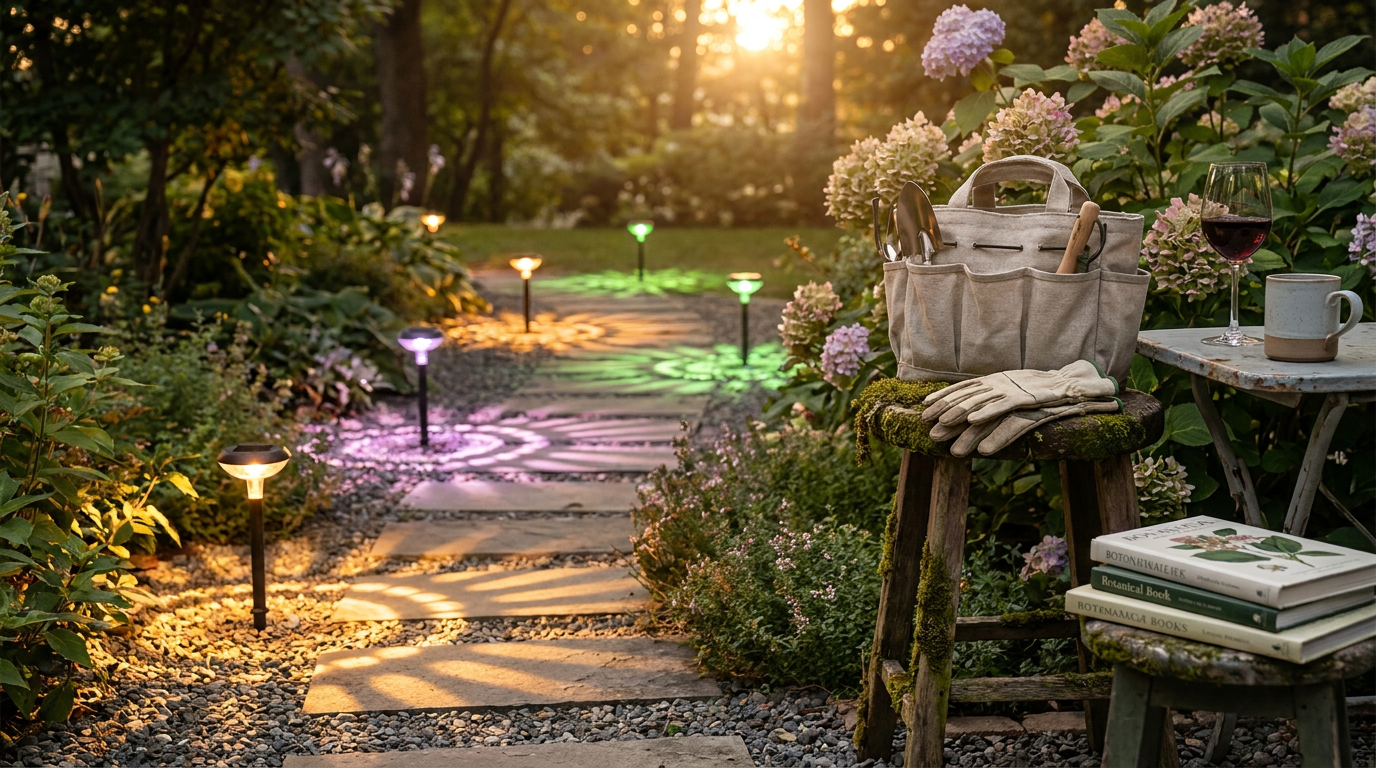
When I began integrating Bloom Path Lights into the perimeter of my flower beds, the atmosphere shifted immediately. These are not the flimsy plastic markers that lean precariously after a single rainstorm. They possess a tactile weight that suggests longevity. It turns out that the specific engineering behind Bloom Path Lights allows them to mimic the natural height and sway of real flora, bridging the gap between hardware and horticulture. Because they utilize high-efficiency LED technology, the glow is consistent and warm, avoiding the clinical blue tint common in cheaper alternatives. I found that placing these stakes among existing lavender and sage created a layered effect where the light seemed to emerge from the plants themselves rather than an external source. This integration is a core component of Bloom solar garden stakes, which leverage renewable energy to maintain that glow without the need for complex trenching or wiring. The design of these lights ensures they remain waterproof and functional through seasonal shifts, a stark contrast to the decorative reed-style lights mentioned by Inspire Uplift, which focus heavily on luminous beauty but vary in their structural specifications. By choosing Bloom Path Lights, I was able to create a cohesive visual language across the yard, ensuring that the modern garden path lights near the patio complemented the more whimsical flower stakes tucked into the deeper foliage. The result was a landscape that felt curated rather than cluttered.
Somewhere around week two, I began to see the garden as a series of light-pockets rather than a single dark expanse. Deciding on the right configuration for your own space requires a bit of trial and error, but focusing on the structural integrity of the stakes is the best place to start. If you are looking to create a similar sanctuary, consider this framework for your selection process. First, evaluate the height of your current ground cover to ensure the LED element isn't obscured by tall grasses. Second, look for materials that can withstand local weather patterns; while some lights are not intended for sub-freezing temperatures, Bloom Path Lights are built for year-round presence. Third, consider the ease of the setup process, as easy install outdoor landscape lighting should allow for repositioning as your garden grows and changes throughout the seasons. Finally, match the light temperature to your home’s existing exterior lighting to maintain a professional look.
- Assess the durability of the stake material against your local soil density.
- Verify the lumen output to ensure it provides a soft glow rather than a blinding glare.
- Check for automatic dusk-to-dawn sensors to minimize manual operation.
- Look for flexible stems that allow for naturalistic positioning among real plants.
- Confirm the weather-resistance rating for year-round outdoor exposure.
Sources