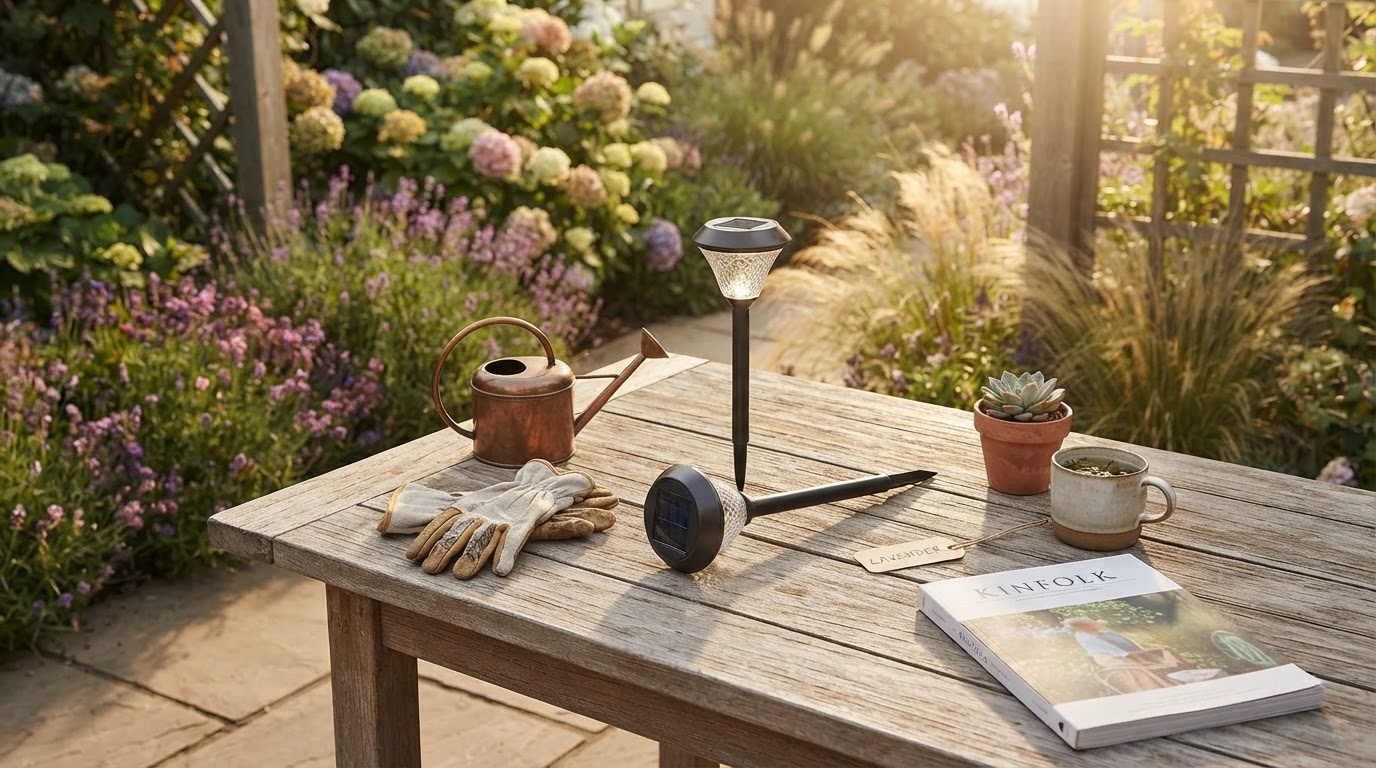
Bloom Path Lights for Sustainable Garden Illumination
 Sam VasquezBuying Guide Lead
August 8, 2026. This guide examines the practical application of solar lighting technology to help homeowners secure reliable illumination for walkways and garden borders. It is written for property owners who want functional, aesthetic lighting without the complexity of electrical trenching.
The Realities of Solar Path Lighting Performance
When you decide to transition from hard-wired systems to solar, you are essentially trading constant power for convenience and lower utility costs. However, the most common frustration I see is the "dim-by-midnight" phenomenon. According to Sunco, quality solar pathway lights should store enough energy throughout the day to provide 8-10 hours of illumination, yet many entry-level stakes fail to meet this mark because of poor battery capacity or inefficient photovoltaic cells. In a multi-year test conducted by Chris Loves Julia, researchers evaluated more than 14 popular solar path lights, noting that initial brightness and color temperature vary wildly between brands like GIGALUMI and Harbor Breeze. The challenge for most gardeners is finding a balance between a light that looks good during the day and one that actually stays lit until dawn. If you are looking for specific aesthetics beyond standard bollards, you might consider flower shaped solar garden lights to break up the monotony of traditional stakes. For those focusing on ground-level visibility, decorative flower path lights offer a way to mark edges without the industrial look of metal canisters. Between these two, I'd go with the latter if your primary goal is safety rather than just accenting a flower bed.
Integrating Bloom Path Lights into Your Landscape
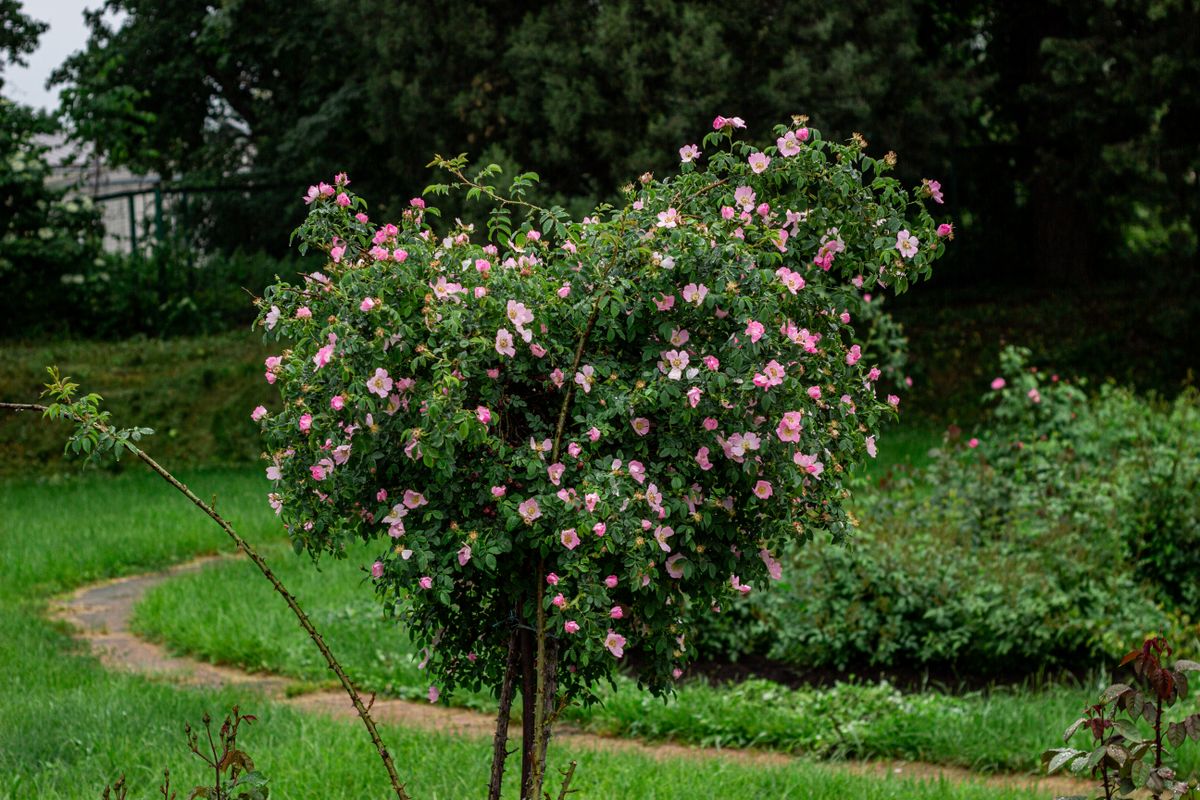
Photo by Natalia Sevruk on Pexels
Bloom Path Lights are designed to bridge the gap between purely functional utility lights and decorative garden accents. While many products on the market, such as the Solar Metal Path Bollards from Hoselink, focus on motion-activated bright modes or heavy industrial builds, the Bloom approach prioritizes a consistent, warm glow that complements natural flora. Skip this if you need high-intensity security lighting that floods a driveway; these are designed for ambiance and navigation. The installation process is purely mechanical—positioning the stake in a location that receives at least six hours of direct sunlight. This is particularly important when using decorative floral lawn stake lights, as the ornamental petals can sometimes shadow the internal solar panel if not angled correctly. If you're on a budget, you might be tempted by the $50 six-packs found at big-box retailers like Target, but I’ve found that the internal charging controllers in specialized brands like Bloom tend to handle overcast days with more resilience. When placing these along a walkway, spacing is the most critical factor. I recommend a staggered pattern rather than a straight "runway" look. Using flower shaped solar garden lights at the corners of a path creates a natural transition point, while standard Bloom stakes can fill the straightaways. The goal is to avoid dark spots without creating light pollution that disturbs the nighttime environment.
Selecting the Right Solar Solution for Your Space
Choosing the right light depends entirely on your specific terrain and how late you actually stay outside. If you have a heavily wooded lot with significant canopy cover, solar might not be your best bet, and you should stick to low-voltage wired systems. However, for open gardens, the decision framework comes down to durability and light duration. Here's what I'd actually buy: the Better Homes & Gardens Elijah Path Lights are a strong value-oriented choice at roughly $57 for four, but they lack the specific botanical styling found in the Bloom collection. If you want your hardware to disappear into the foliage, decorative floral lawn stake lights are the superior choice. Before you purchase any solar lighting system, run through this checklist:
- Verify the IP (Ingress Protection) rating to ensure the housing can withstand heavy rain and irrigation spray.
- Check the Kelvin (K) rating; look for 2700K to 3000K for a warm, inviting glow rather than a harsh blue-white light.
- Measure the height of your surrounding plants to ensure the solar panels won't be blocked by mid-summer growth.
- Assess the battery type—lithium-ion (Li-ion) generally outperforms nickel-metal hydride (NiMH) in terms of cycle life.
- Determine if you need "always-on" low light or motion-sensing capabilities for high-traffic areas.
Sources
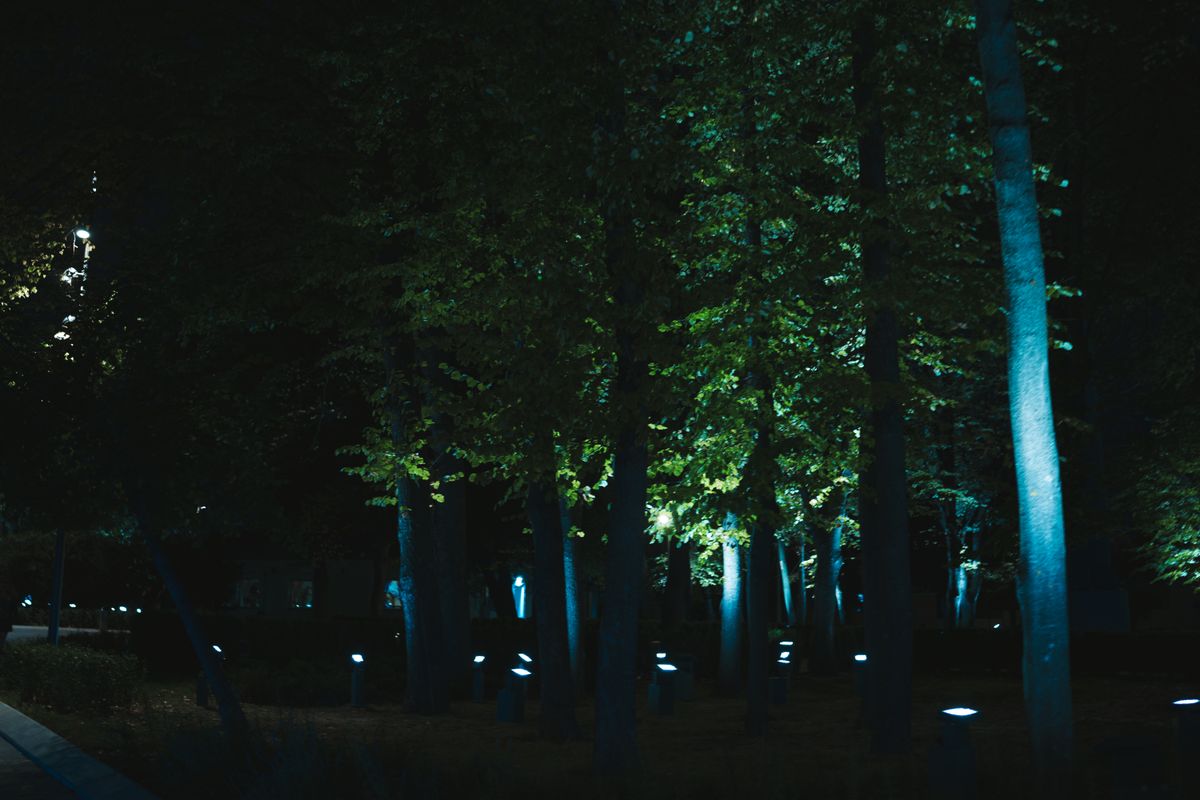
Photo by Irina Iriser on Pexels
- Solar Garden Lighting
- The Best Solar Path Lights of 2026: Tested To Find the Perfect Glow
- Outdoor Pathway Lighting