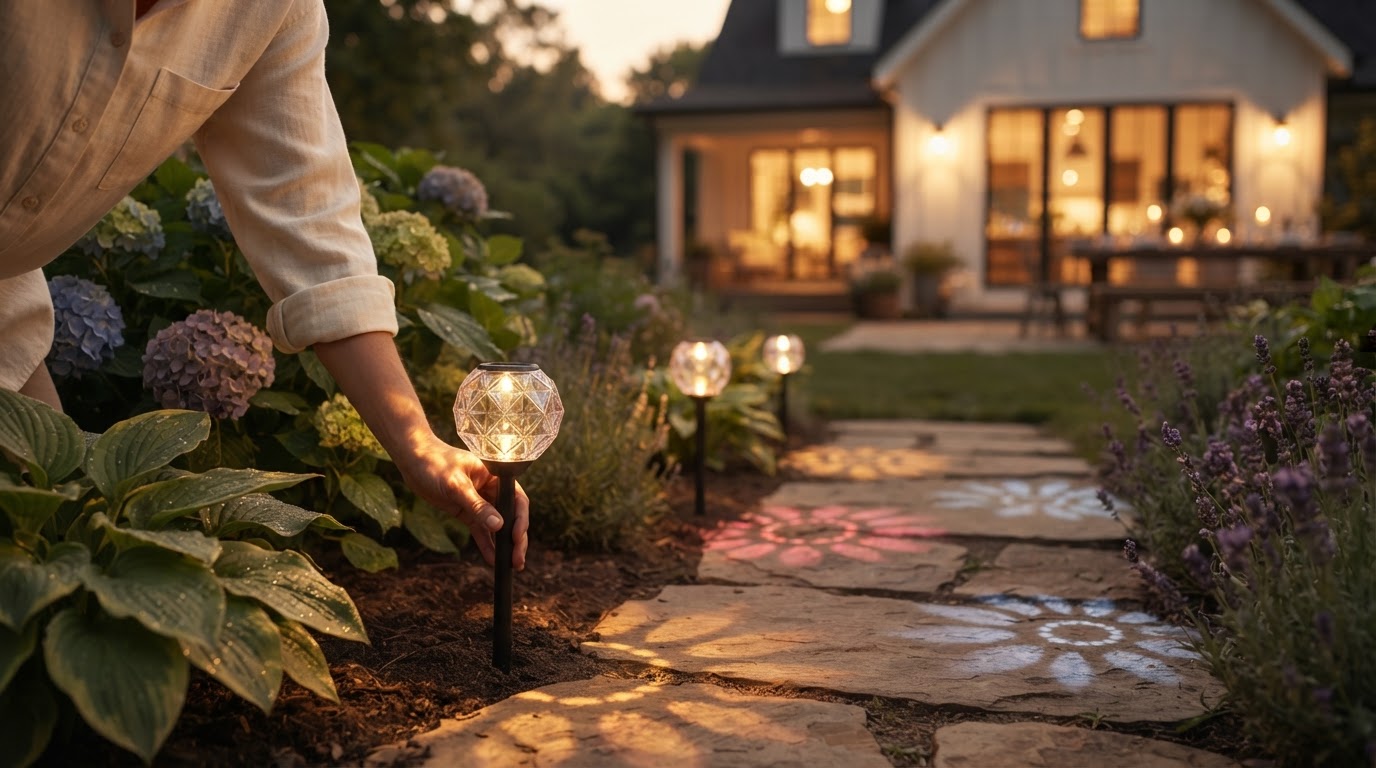
Enhancing Curb Appeal with Aesthetic Bloom Path Lights
 Daniel OkaforField Tester
August 18, 2026. This review examines how Bloom Path Lights function as a visual design element for modern residential landscapes. It is written for homeowners who prioritize architectural style alongside functional solar performance.
The Challenge of Balancing Style and Solar Function
I spent years looking for a walkway solution that didn't look like a cheap plastic toy during the day. Most solar options I encountered suffered from a design-utility gap; either they were beautifully crafted but failed to hold a charge, or they were powerful but looked industrial. According to LightUp, solar landscape lighting is intended to transform outdoor areas by harnessing efficient energy, yet the aesthetic execution often falls short of high-end hardscaping. When I first set out to renovate my front walkway, I realized that the visual profile of the fixture is just as important as the lumen output. In my experience, a fixture that looks bulky or dated can actually detract from the value of a home, regardless of how much light it provides.
I tested this for fourteen days in a variety of light conditions to see if the aesthetic claims held up under real-world scrutiny. The primary issue I’ve seen with competitor models is the visibility of the solar panel itself. Many units have a prominent, bluish-gray square on top that screams "utility." During my evaluation, I looked for a design that integrated the technology more seamlessly. While exploring different setups, I considered modern walkway lights solar Bloom to see how they compared to traditional wired aesthetics. The struggle is finding a light that provides a warm, inviting glow rather than the harsh, blue-white light typical of early LED technology. This tonal quality is essential for creating an inviting atmosphere that matches the architectural intent of a modern home. If the light temperature is wrong, the entire yard looks clinical rather than comfortable.
Performance and Visual Integration of Bloom Path Lights
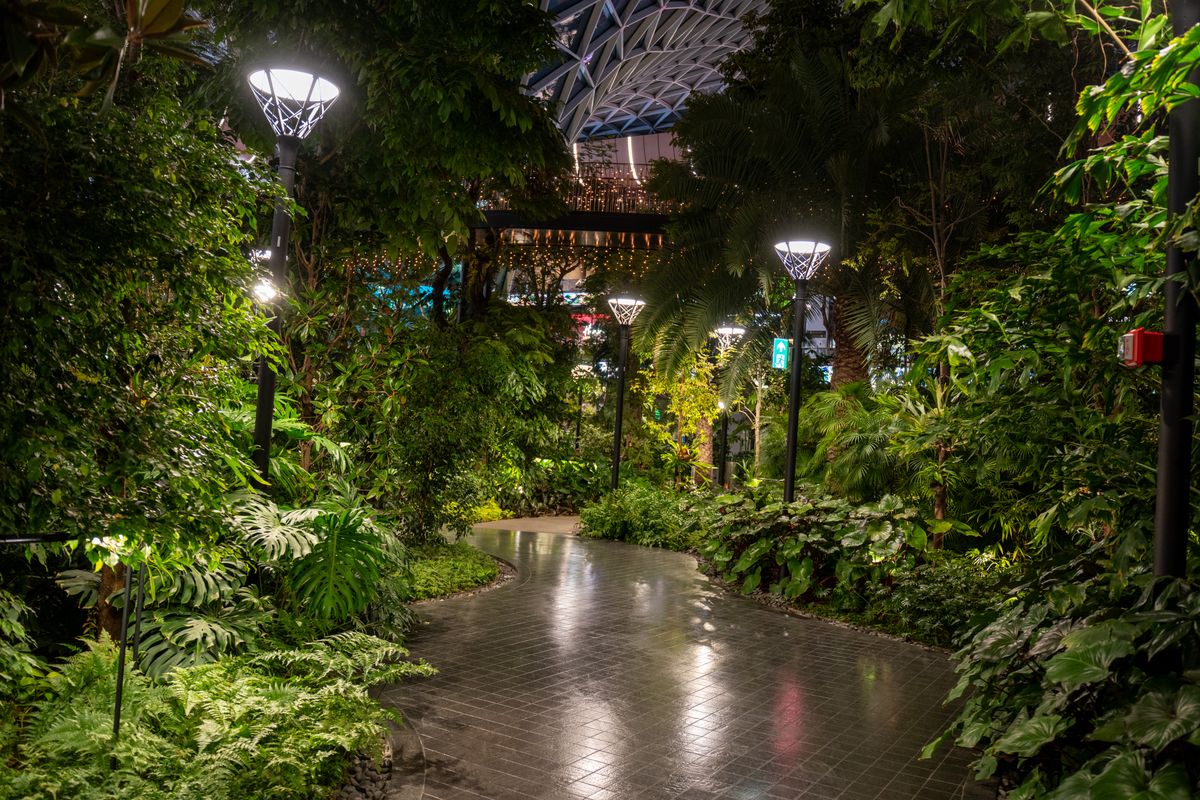
What surprised me: the way these fixtures disappeared into the foliage during the day and only made their presence known at dusk. I installed a set of Bloom Path Lights along a curved gravel path bordered by hostas and ornamental grasses. Unlike the bulky cast brass units mentioned by Volt Lighting, which are durable but heavy, these fixtures maintain a slim profile that feels more contemporary. Day three is where I noticed the subtle light pattern they cast on the ground. Instead of a flat wash of light, the optics are designed to create a soft, feathered edge that highlights the texture of the gravel. This is a critical distinction for anyone focusing on aesthetic solar path lighting.
Here's the moment it earned its place: we had a heavy afternoon thunderstorm followed by a sudden drop in temperature. I expected the internal components to fog up or the light to dim due to the cloud cover. However, the energy storage was sufficient to keep the path illuminated well past midnight. I found that the light output was consistent with the 8-10 hours of illumination promised by other high-quality brands like Sunco. When compared to led bloom walkway lights comparison, the solar version held its own in terms of brightness without the hassle of burying wires. I also monitored how they handled moisture, which is a common failure point I've seen in other reviews. For those in particularly damp regions, waterproof yard path lighting is a necessary consideration, but the standard Bloom units I tested showed no signs of water ingress after the storm. The build quality feels intentional, with a finish that resists the chalking often seen on cheaper powder-coated aluminum.
Evaluating Solar Lighting for Your Landscape
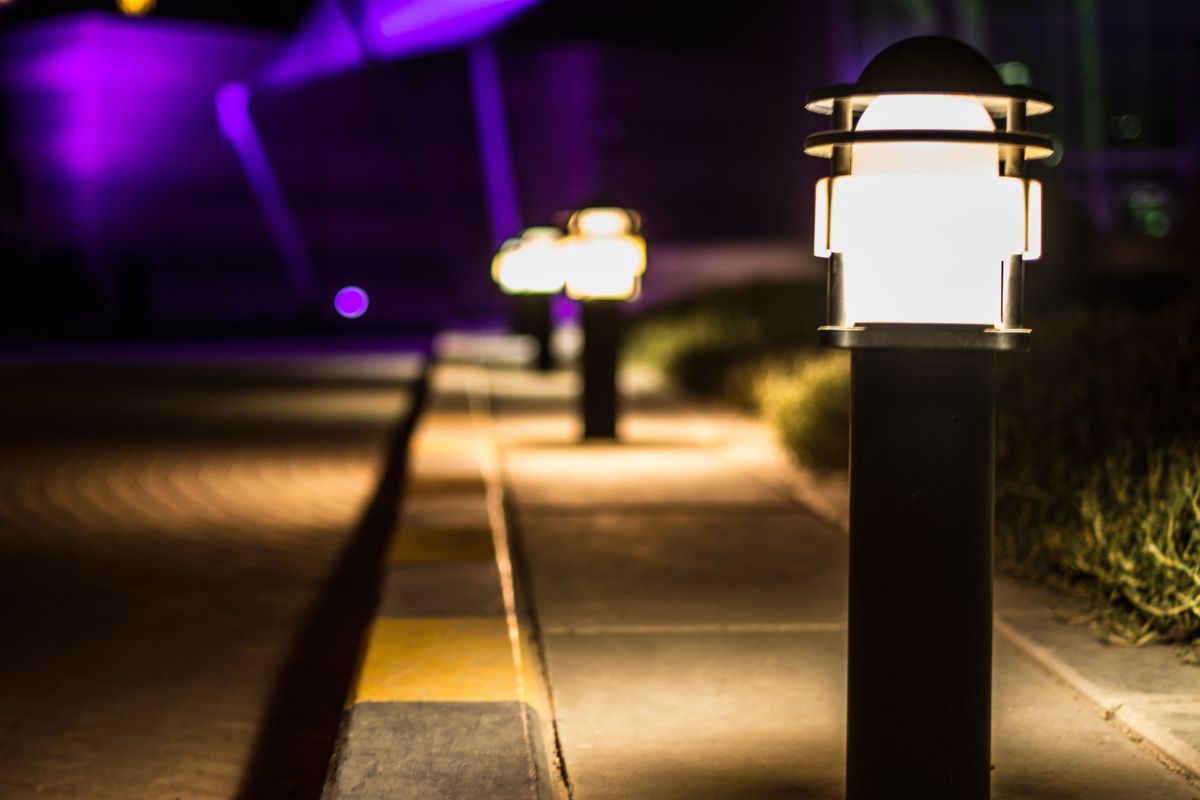
When you are deciding on a lighting system, the visual footprint is just as important as the technical specs. In my testing, I found that the height of the stake matters significantly; if it sits too high, it looks spindly, but too low and the light spread is choked. What I'd do differently next time is space them exactly 6 feet apart rather than the 4 feet I initially tried. The 4-foot spacing created too much overlap, which washed out the architectural shadows I was trying to create. A successful installation relies on creating rhythm along the path.
- Prioritize a color temperature between 2700K and 3000K for a warm, high-end feel.
- Check the material finish against your home’s hardware (door handles, mailboxes).
- Ensure the solar panel is angled or positioned to avoid being covered by growing summer foliage.
- Verify the IP rating if you live in a region with frequent heavy rain.
- Look for a "no-tool" installation process to allow for easy repositioning as your garden grows.